Every year, preventable accidents during equipment maintenance claim lives and cause serious injuries. The root cause? Failure to properly isolate energy sources. That’s where a lock out tag out set comes in—simple, standardized, and lifesaving. These kits are not just tools; they’re the frontline defense against unexpected machine startup, stored energy release, and human error in industrial environments.
Whether you're managing a maintenance team or performing service on machinery yourself, understanding the components, application, and compliance behind lock out tag out sets is non-negotiable. This is not about ticking a safety box. It’s about ensuring people go home the same way they arrived.
Why Lock Out Tag Out Sets Are Essential for Safety
Machines don’t discriminate when they activate. A conveyor belt restarting during cleaning, a press releasing hydraulic pressure mid-repair, or a circuit energizing during electrical work—all can be fatal if energy isn’t properly controlled.
The lock out tag out (LOTO) process is designed to physically disable equipment and communicate that maintenance is underway. A lock out tag out set provides all the components needed to execute this safely: locks, tags, hasps, valve locks, circuit breaker locks, and more.
Consider this real-world example: A technician servicing a packaging machine failed to use a group lockout device. A colleague, unaware of the maintenance, restarted the system. The result? Severe hand injury. This could have been prevented with a properly used LOTO set.
OSHA estimates that proper lockout/tagout procedures prevent 120 fatalities and 50,000 injuries annually in the U.S. alone. Compliance isn’t just about avoiding fines—it’s about creating a culture where safety is embedded in every task.
Key Components of a Lock Out Tag Out Set
A comprehensive lock out tag out set isn’t one-size-fits-all. It’s a carefully curated collection of devices designed to cover various energy types—electrical, mechanical, hydraulic, pneumatic, chemical, and thermal.
Here are the core components you’ll typically find:
1. Safety Locks (Lockout Hasps and Padlocks)
These are durable, non-conductive padlocks used to secure energy-isolating devices. Many LOTO sets include multiple locks with individual keys, allowing each authorized worker to apply their own lock. Hasps enable group lockout by letting several locks secure one point.
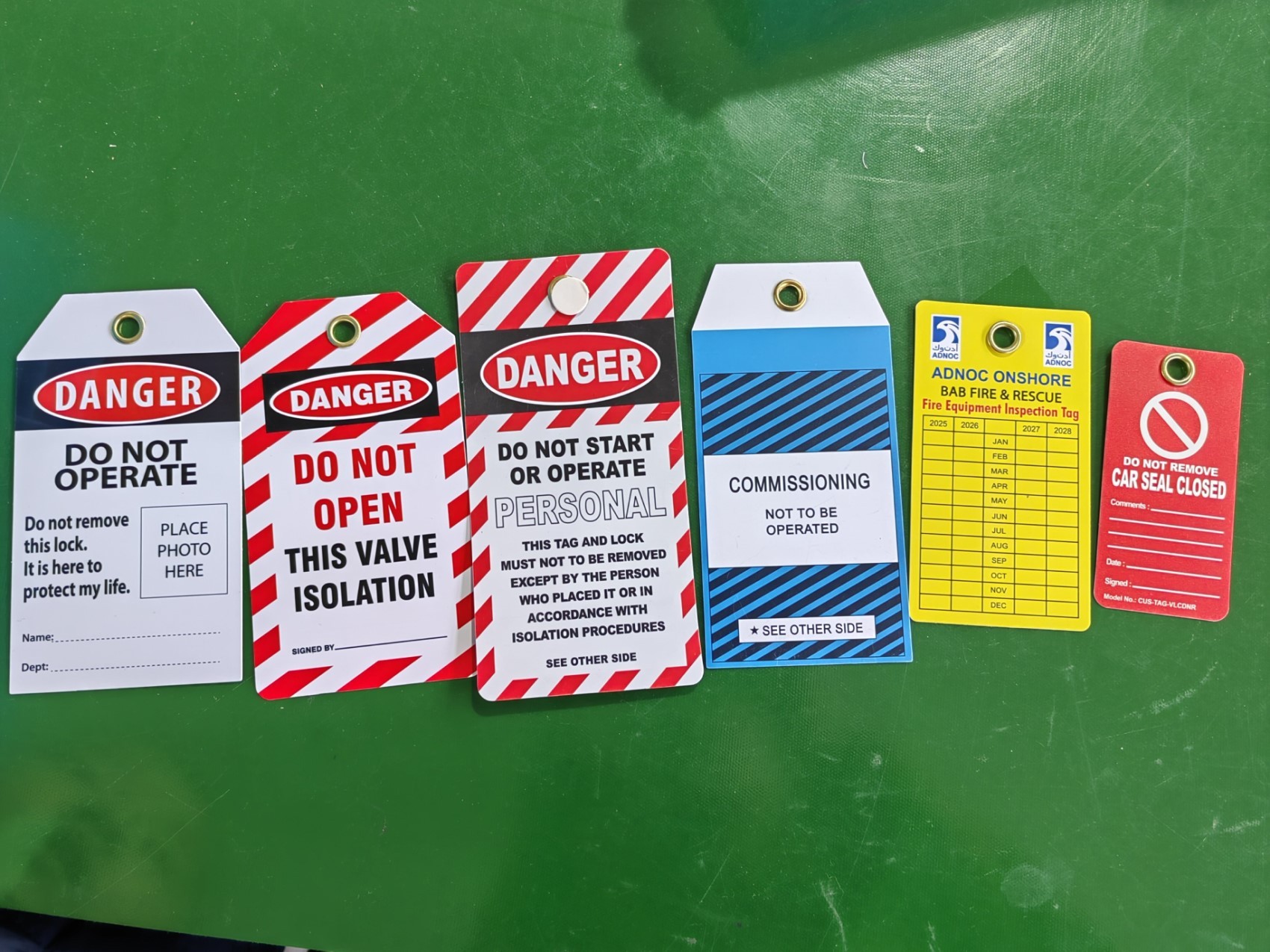
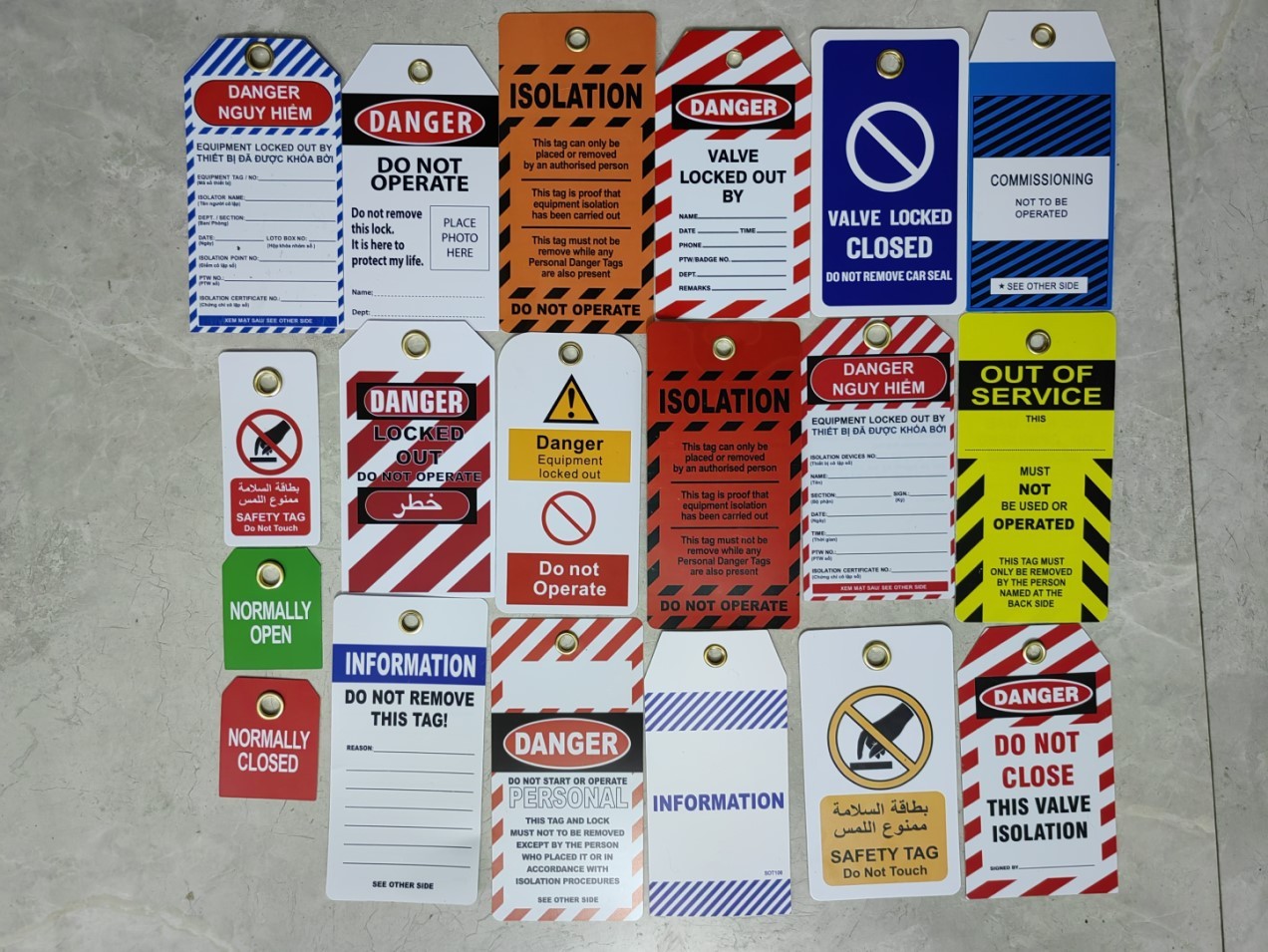
2. Warning Tags (Tagout Devices) Tags are attached alongside locks to communicate why the equipment is locked, who locked it, and when. They must be durable, legible, and tamper-resistant. OSHA requires tags to include: - Name of the authorized employee - Date and time of lockout - Reason for the lockout
3. Valve Lockouts Used to block manual or ball valves from being opened. Available in types for gate valves, ball valves, and lever-style valves. Some are universal; others are model-specific.
4. Circuit Breaker Lockouts Prevent electrical panels and breakers from being re-energized. They range from simple clip-on devices to multi-lock breaker covers for group maintenance.
5. Plug Lockouts Designed for electrical cords and outlets, these block the plug from being inserted into a socket, commonly used in lower-voltage machinery.
6. Group Lockout Stations Some sets include a portable or wall-mounted station with multiple locks, tags, and devices for teams. These are essential when several workers service one machine.
7. Specialty Devices Depending on the environment, sets may include beam locks, chain locks, or pneumatic line locks. These address unique energy control challenges in industrial settings.
How to Use a Lock Out Tag Out Set: A Step-by-Step Workflow
Using a LOTO set isn’t just about having the tools—it’s about following a disciplined procedure. Deviations can be deadly. Here’s the standard workflow:
- Notify All Affected Employees
- Inform operations and nearby workers that maintenance is about to begin and equipment will be shut down.
- Shut Down the Equipment Properly
- Use normal stopping procedures. Never assume the machine is off—verify.
- Isolate All Energy Sources
- Turn off breakers, close valves, and disconnect power supplies. This includes secondary energy sources like springs, capacitors, or elevated loads.
- Apply Lockout Devices
- Attach locks to each energy-isolating point. Each authorized worker must use their personal lock.
- Attach Tagout Tags
- Affix durable tags with clear, legible information. Never rely on tags alone—always use them with locks.
- Release Stored Energy
- Bleed pressure, drain fluids, block moving parts. Verify that no residual energy remains.
- Verify Isolation (Zero Energy State)
- Attempt to start the machine (without removing locks) to confirm it won’t operate. This is the critical test.
- Perform Maintenance
- Only now can service begin.
- Remove Locks and Restore Equipment
- After maintenance, ensure all tools are removed, guards are reinstalled, and all workers are clear. Each worker removes their own lock. Never remove someone else’s lock.
A common mistake? Skipping verification. One technician assumed a hydraulic press was depressurized—until a stored spring released mid-repair. Always confirm.
Common Mistakes and How to Avoid Them
Even experienced workers make LOTO errors. Here are recurring issues and how to fix them:
- Using the wrong lock type: Metallic locks near electrical sources increase shock risk. Use non-conductive (nylon or plastic) locks in these cases.
- Tag-only procedures: Tags can fall off or be ignored. OSHA allows tagout-only if lockout isn’t feasible—but only with additional protective measures.
- Shared locks or master keys: Defeats the purpose of personal accountability. Each worker needs their own lock and key.
- Incomplete energy source identification: Overlooking a secondary energy source (like a backup battery) puts everyone at risk. Always conduct a full energy audit before maintenance.
- Rushing removal: Workers sometimes remove locks before the job is done. Emphasize that only the person who applied the lock can remove it—no exceptions.
Top 5 Lock Out Tag Out Sets for Industrial Use
Not all LOTO kits deliver the same value. Here are five widely trusted sets, each suited to different operational needs:
| Product Name | Key Features | Best For |
|---|---|---|
| Master Lock 1496DAT | 20-piece kit: 6 padlocks, 6 tags, hasps, valve and breaker locks | General industrial maintenance |
| Grainger LOTO100 | Durable carrying case, 15 components including plug and beam locks | Multi-energy environments |
| Safely Now LOK-20 | Includes bilingual tags (English/Spanish), circuit breaker lockouts | Facilities with diverse teams |
| DEWALT DWLOTO1 | Compact, rugged design with metal-reinforced case | Mobile technicians and field service |
| Bernard LT-50 | Heavy-duty, corrosion-resistant locks; ideal for harsh conditions | Chemical plants and outdoor use |
When selecting a set, consider your most common equipment types, number of authorized employees, and environmental conditions. A set used in a food processing plant with frequent washdowns needs waterproof tags and rust-resistant hardware.
OSHA Compliance and the Legal Weight of LOTO
In the U.S., OSHA’s Control of Hazardous Energy standard (29 CFR 1910.147) mandates lockout/tagout procedures. Non-compliance isn’t just risky—it’s expensive. Violations can cost thousands per incident, and repeated failures trigger increased scrutiny.
But compliance isn’t just about avoiding penalties. It’s about due diligence. In litigation following an accident, courts examine whether proper LOTO procedures were in place and followed. A well-documented LOTO program, supported by quality lock out tag out sets, demonstrates a commitment to safety.
Key compliance elements: - Written energy control procedures - Authorized and affected employee training (refreshed annually) - Periodic inspections (at least once a year) - Use of durable, standardized equipment
A manufacturing plant in Ohio was fined $120,000 after an employee was injured during conveyor belt maintenance. The investigation found no formal LOTO program and no accessible lockout kits. The outcome? A costly overhaul and permanent reputation damage.
Real-World Applications Across Industries
LOTO sets aren’t just for factories. Their use spans diverse environments:
- Healthcare: Locking out imaging equipment (MRI, X-ray) during servicing prevents accidental activation.
- Construction: Cranes, lifts, and generators require LOTO during routine maintenance.
- Facilities Management: HVAC units, boilers, and elevators must be isolated before repair.
- Food & Beverage: Conveyor systems and mixers often need frequent cleaning—prime LOTO scenarios.
- Utilities: Power substations and water treatment plants rely on strict lockout protocols.
In one case, a wastewater treatment plant reduced maintenance-related incidents by 78% within a year of standardizing LOTO kits and training.
Choosing the Right Set for Your Needs
Not every workplace needs the same LOTO kit. Ask these questions before purchasing: - How many energy sources does your average machine have? - Do you perform group maintenance regularly? - Are your environments wet, corrosive, or high-temperature? - Do you need bilingual or custom tags? - How many authorized employees need locks?
A 10-person maintenance team working on high-voltage equipment needs a robust, multi-lock station. A small workshop with occasional electrical work may only need a basic 5-piece set.
Also, consider scalability. Can you add locks or tags later? Modular systems let you expand as your team grows.
Final Thoughts: Safety Starts with the Right Tools
A lock out tag out set is more than a box of plastic locks and paper tags. It’s a system—a ritual—that protects lives. When implemented correctly, it removes ambiguity, enforces accountability, and turns safety from an idea into action.
Don’t wait for an incident to justify investing in proper LOTO equipment. Audit your current procedures, train your team, and equip them with reliable, compliant lock out tag out sets. Because the cost of a kit is nothing compared to the cost of a life.
Take action today: Inspect your maintenance areas, identify missing LOTO components, and standardize your kits across all shifts. Safety isn’t a one-time upgrade—it’s a daily practice.
Frequently Asked Questions
What is included in a typical lock out tag out set? A standard set includes safety padlocks, warning tags, lockout hasps, valve locks, circuit breaker locks, and sometimes plug or beam locks—everything needed to isolate multiple energy sources.
Can tagout be used without lockout? Yes, but only when energy-isolating devices can’t accept a lock. OSHA allows tagout-only under strict conditions, including additional training and inspection procedures.
Who should apply a lock out tag out set? Only authorized employees—those trained to recognize energy sources and apply control procedures—should perform lockout/tagout.
How often should LOTO procedures be inspected? OSHA requires an annual inspection of each energy control procedure, conducted by someone not involved in the process.
Are LOTO sets reusable? Yes. Most components—locks, tags, hasps—are reusable unless damaged. Tags should be replaced if illegible or tampered with.
Can one person remove another’s lock? No. Only the worker who applied the lock may remove it, unless under a controlled emergency transfer procedure involving management and verification.
Do lockout tags need to be standardized? Yes. Tags should be uniform in design, durable, and include essential info: employee name, date, and reason for lockout.
FAQ
What should you look for in What Every Worker Needs to Know About Lock Out Tag Out Sets? Focus on relevance, practical value, and how well the solution matches real user intent.
Is What Every Worker Needs to Know About Lock Out Tag Out Sets suitable for beginners? That depends on the workflow, but a clear step-by-step approach usually makes it easier to start.
How do you compare options around What Every Worker Needs to Know About Lock Out Tag Out Sets? Compare features, trust signals, limitations, pricing, and ease of implementation.
What mistakes should you avoid? Avoid generic choices, weak validation, and decisions based only on marketing claims.
What is the next best step? Shortlist the most relevant options, validate them quickly, and refine from real-world results.